

Are You Making These Common Recovery Mistakes? Why Your Body Needs More Than Rest

Think of recovery like tending to a garden after a storm. You wouldn't just leave your plants sitting there hoping they'll bounce back on their own, right? You'd water them, give them nutrients, maybe stake up the wobbly ones, and create the perfect conditions for them to thrive again. Your body after a workout is just like that garden, it needs active care, not just time to sit still.
I see this all the time with my clients at Move Freely. They'll crush an amazing workout, feel fantastic, then wonder why they're dragging themselves around like zombies the next day. The truth? Most of us are accidentally sabotaging our recovery with mistakes that seem harmless but pack a real punch.
Let me walk you through the sneaky recovery mistakes that might be holding you back, and why your body is practically begging for more than just a good night's sleep.
You're Treating Hydration Like a Checkbox Instead of a Strategy
Here's the thing about post-workout hydration, chugging a bottle of water and calling it done is like putting a band-aid on a broken pipe. Sure, you've covered the basics, but you're missing the bigger picture.
When you sweat (and trust me, if you're working out right, you're sweating), you're not just losing water. You're losing electrolytes, sodium, potassium, magnesium, all the good stuff that keeps your muscles firing properly and your energy stable. Just drinking plain water can actually dilute what's left of these minerals in your system, leaving you feeling more drained than when you started.
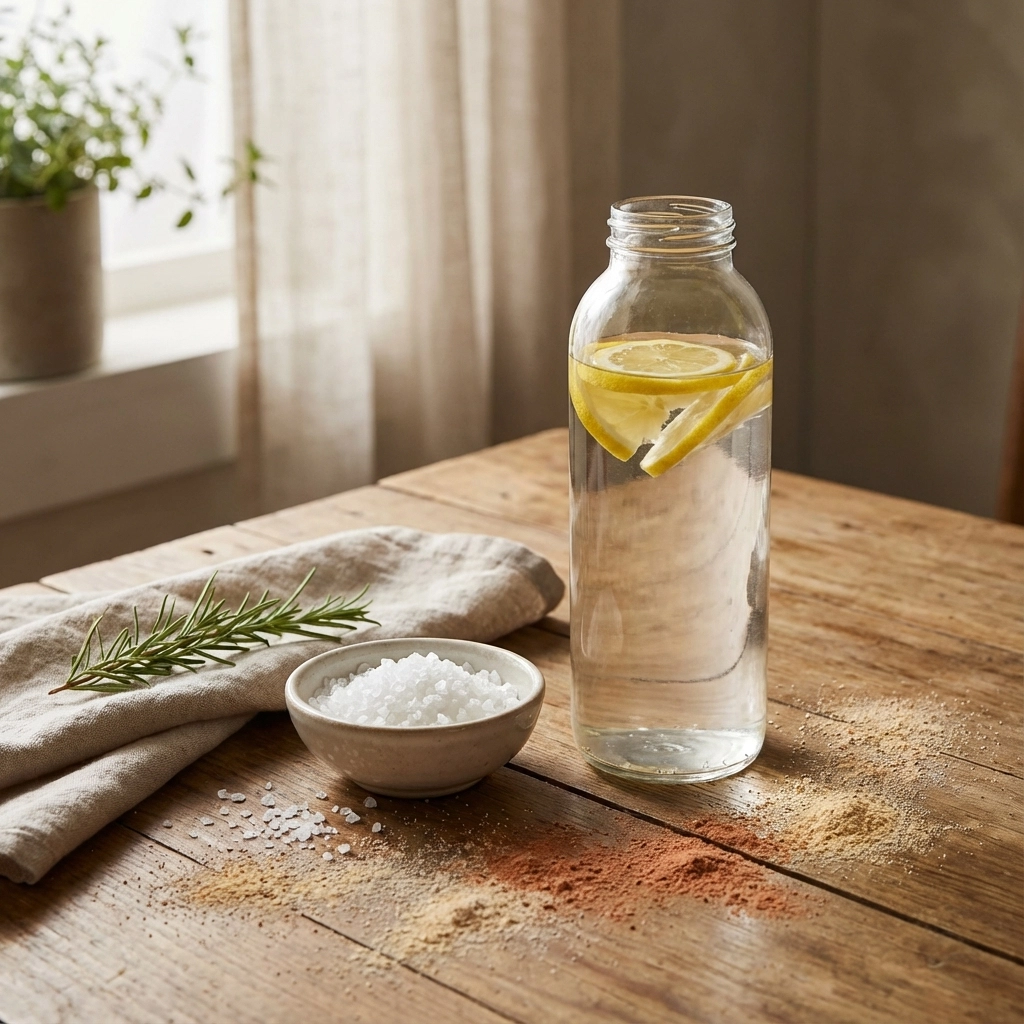
Think of electrolytes like the seasoning in your favorite dish. Without them, everything just tastes bland and doesn't work quite right. Your body needs that perfect balance to function at its best.
My go-to recommendation? Don't just hydrate, rehydrate strategically. Add a pinch of sea salt and a splash of lemon to your water, or grab a quality electrolyte supplement. Your muscles will thank you, and you'll actually feel like a human being instead of a wilted houseplant.
You're Missing Your Body's Recovery Window (And It's Shorter Than You Think)
You know that feeling after a great workout where you're riding high on endorphins and everything feels possible? That's actually prime time for recovery, not celebration procrastination.
Your body has this magical 30-minute to 2-hour window after exercise where it's basically saying, "Hey! Feed me the good stuff so I can rebuild stronger!" Miss this window, and it's like showing up to a party after everyone's gone home. You can still have fun, but you've missed the best part.
The mistake I see most often? People either skip eating entirely (thinking they'll "undo" their workout) or go overboard with protein thinking more is always better. But here's the kicker, too much protein actually slows down your body's ability to absorb the carbs it desperately needs to refuel.
The sweet spot? About 4 grams of carbs for every 1 gram of protein, keeping it around 100-300 calories total. Think banana with almond butter, Greek yogurt with berries, or a simple smoothie. Nothing fancy, just fuel when your body is ready to receive it.
You're Sitting Still When You Should Be Moving (Yes, Really)
This one might seem backwards, but hear me out. After a tough workout, your first instinct might be to collapse on the couch and become one with the cushions. I get it: you've earned that rest, right?
But imagine your muscles like a bustling highway system. During your workout, there's tons of traffic (blood flow, nutrients, waste products) moving around. When you suddenly stop all movement, it's like hitting rush hour: everything gets backed up and sluggish.

Active recovery is like having a good traffic management system. Light walking, gentle stretching, or even just taking the stairs instead of the elevator keeps everything flowing smoothly. Your muscles stay loose, blood keeps circulating, and all that good recovery stuff can get where it needs to go.
This doesn't mean you need to run a marathon on your rest days. Think more along the lines of a gentle yoga flow, a leisurely walk with your dog, or even some light housework. Movement that feels good, not punishing.
You're Skipping the Cool-Down Like It's Optional (Spoiler Alert: It's Not)
I know, I know. You've just finished an amazing workout, you're feeling strong, maybe running late, and that 5-minute cool-down feels about as appealing as doing your taxes. But skipping it is like leaving a pot of pasta on the stove and walking away: technically you could do it, but you probably won't like what you find later.
Your cool-down is when you transition from "go-mode" to "grow-mode." It's your body's chance to gradually shift gears instead of slamming on the brakes. Without it, you're setting yourself up for stiffness, soreness, and that lovely "I-got-hit-by-a-truck" feeling the next morning.
Even just 5-10 minutes of gentle stretching or foam rolling can be the difference between bouncing out of bed tomorrow or shuffling around like you've aged 20 years overnight. And if you want to take it up a notch, this is where something like our fusion massage approach really shines: combining the best of multiple recovery techniques in one session.
Sleep Is Your Secret Weapon (But Stress Is Sabotaging It)
You've probably heard that sleep is important for recovery, but let me paint you a picture of what's actually happening when you're getting those quality Z's. While you're dreaming about whatever weird stuff your brain conjures up, your body is running the most incredible repair shop you've ever seen.
Growth hormone is surging, muscle fibers are knitting back together stronger than before, and your nervous system is essentially hitting the reset button on everything. It's like having a team of the world's best mechanics working on your car overnight: but only if you give them enough time to do their job properly.

Here's where it gets tricky though. Even if you're getting 7-8 hours of sleep, stress can crash this whole party. High stress equals high cortisol, and high cortisol is like that annoying friend who shows up uninvited and ruins everyone's good time.
The solution isn't just more sleep: it's better recovery practices that address your whole system. This might mean adding some deep breathing exercises before bed, taking that epsom salt bath, or even treating yourself to some bodywork to help your nervous system truly relax.
Why Rest Alone Won't Cut It (Sorry to Be the Bearer of Reality)
Here's the thing that took me way too long to learn: recovery isn't passive. It's not like charging your phone where you just plug it in and wait. Recovery is an active process that requires you to show up for your body in multiple ways.
Think of it like tending to a friendship. You can't just ignore your friend for weeks and then expect everything to be perfect when you finally hang out again. You need to check in regularly, provide what they need, and invest in the relationship consistently.
Your body needs:
Strategic hydration and nutrition timing
Gentle movement to keep things flowing
Quality sleep and stress management
Bodywork or self-massage to release tension
Mental downtime to process and recharge
When all these pieces work together, that's when the magic happens. That's when you wake up feeling strong instead of stiff, energized instead of exhausted, and ready to tackle whatever life throws your way.
Your Recovery Gameplan Starts Now
Recovery doesn't have to be complicated, but it does need to be intentional. Start with one or two of these strategies and build from there. Maybe this week you focus on that post-workout nutrition window, next week you add some gentle movement on your rest days.
And remember: this isn't about being perfect. It's about being consistent and listening to what your body actually needs instead of what you think it should need.
If you're feeling overwhelmed or aren't sure where to start, that's exactly what we're here for. Sometimes having someone guide you through what recovery looks like for your specific body and lifestyle makes all the difference. Why not book a discovery call and let's figure out your personalized recovery strategy together?
Your future self: the one who's bouncing out of bed feeling amazing( will definitely thank you for it.)


Comments